

Blog Details
Understanding Ovarian Cysts: Causes, Risks, and Treatments
Clearview Hospital and Fertility – Prioritizing Women’s Health
Introduction
Ovarian cysts are fluid-filled sacs that form in or on the ovaries. While most are harmless and go away on their own, some can lead to complications such as pain, fertility challenges, or even surgical intervention. At Clearview Hospital and Fertility, we provide advanced gynecological care to help women understand and manage ovarian cysts effectively.
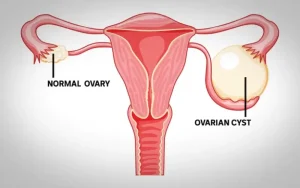
What Are Ovarian Cysts?
Ovarian cysts are pockets of fluid that develop on the ovaries. They are quite common in women of reproductive age.
There are two main types:
- Functional cysts – often related to the menstrual cycle (e.g., follicular cysts, corpus luteum cysts).
- Pathological cysts – caused by abnormal cell growth, such as dermoid cysts, endometriomas, or cystadenomas.
Most functional cysts resolve without treatment, but pathological cysts may require medical evaluation.
Causes of Ovarian Cysts
Some common causes include:
- Hormonal imbalances
- Pregnancy-related cysts
- Endometriosis
- Severe pelvic infections
- Polycystic ovary syndrome (PCOS)
According to the Mayo Clinic, women with hormonal conditions like PCOS are more likely to develop multiple ovarian cysts.
Risks and Complications
While many ovarian cysts are harmless, some may lead to complications such as:
- Persistent pelvic pain
- Cysts that grow large and press on other organs
- Ovarian torsion (twisting of the ovary)
- Rupture, leading to internal bleeding
- Infertility when associated with endometriosis or PCOS
At Clearview Hospital’s Gynecology Unit, our specialists carefully evaluate every patient to detect risks early.
Symptoms You Shouldn’t Ignore
Seek medical help if you experience:
- Severe or sudden pelvic pain
- Bloating or abdominal swelling
- Pain during intercourse
- Irregular menstrual cycles
- Difficulty conceiving
Early diagnosis through ultrasound scans and blood tests at Clearview Hospital ensures proper management.
Treatment Options at Clearview Hospital
Treatment depends on the size, type, and symptoms of the cyst:
- Watchful waiting – many cysts resolve on their own.
- Medications – hormonal therapy to regulate menstrual cycles.
- Minimally invasive surgery (laparoscopy) – to remove cysts while preserving fertility.
- Open surgery (laparotomy) – for larger or suspicious cysts.
Our specialists also integrate fertility-preserving treatments, ensuring women trying to conceive are fully supported.
Lifestyle and Prevention Tips
- Regular gynecological checkups
- Maintain a healthy weight
- Manage conditions like PCOS and endometriosis
- Seek prompt care for pelvic pain
Key Takeaway
Not all ovarian cysts are dangerous — but timely evaluation and treatment are crucial. At Clearview Hospital and Fertility, Lagos, our gynecology and fertility specialists provide advanced diagnostic tools, minimally invasive surgery, and holistic care tailored to every woman’s needs.
Book a gynecology consultation today and take charge of your reproductive health.
Recent Posts
High-Risk Pregnancy Care: How Clearview Hospital and Fertility Leads in Safe Motherhood
Celebrating Customer Support Week at Clearview Hospital & Fertility: More Than Medical Care
Laparoscopic Surgery: Advanced, Safe, and Professional Care at Clearview Hospital & Fertility
Categories
Tag Cloud